Animal Vlog Generator
Animal vlog generator: your own pet, every episode
One photo of your dog or cat and a name, and they front a channel: an animal that wants something today and goes after it, filmed from the floor at its own height. Next week it is still your pet, doing something else. No pet of your own? Five are cast and ready.
30 credits on signup, no card. One photo is all your pet needs — or cast one of five instead.
What this is not, and what it is
If you came here looking for the app that makes a photo of your cat mouth along to a sound, that is a different tool and it is not this one.
Most “talking pet” tools
- One photo, animated. The mouth moves; nothing else does.
- A clip, not an episode — there is no beginning and no result.
- Every upload is a fresh start. Nothing carries to tomorrow.
- The animal is a puppet for a voice you picked.
- Lip sync is the product.
An animal vlog
- A named animal with a five-panel reference sheet, made once and used by every episode.
- A goal it decided on — said in the first scene, resolved in the last, and fumbled somewhere in between.
- Episode two is the same animal. So is episode twenty.
- It has its own voice, and the writing is built around what it wants.
- The channel is the product.
It can be your own dog or cat
The same photograph those apps would have animated once instead gets your animal cast — as somebody who has a name, wants things, and turns up again next week.
- 1
One photo and a name
Clear, bright, front-on, whole face in frame. The name is what everybody calls them in the episodes, so use the one you actually use.
- 2
A reference sheet gets drawn
Your photo is the source it is drawn from — the same kind of sheet the five ready-made animals ship with, made for your pet instead.
- 3
Every episode is rendered against it
Not against the snapshot. That is what keeps your animal looking like your animal in episode two, and in episode twenty.
There is one optional box: a line about what they are like — bossy, permanently startled, convinced the bathroom is theirs. It shapes how the episodes are written, not how your pet is drawn; the photograph decides that.
Upload your petNo pet of your own? Five are already cast
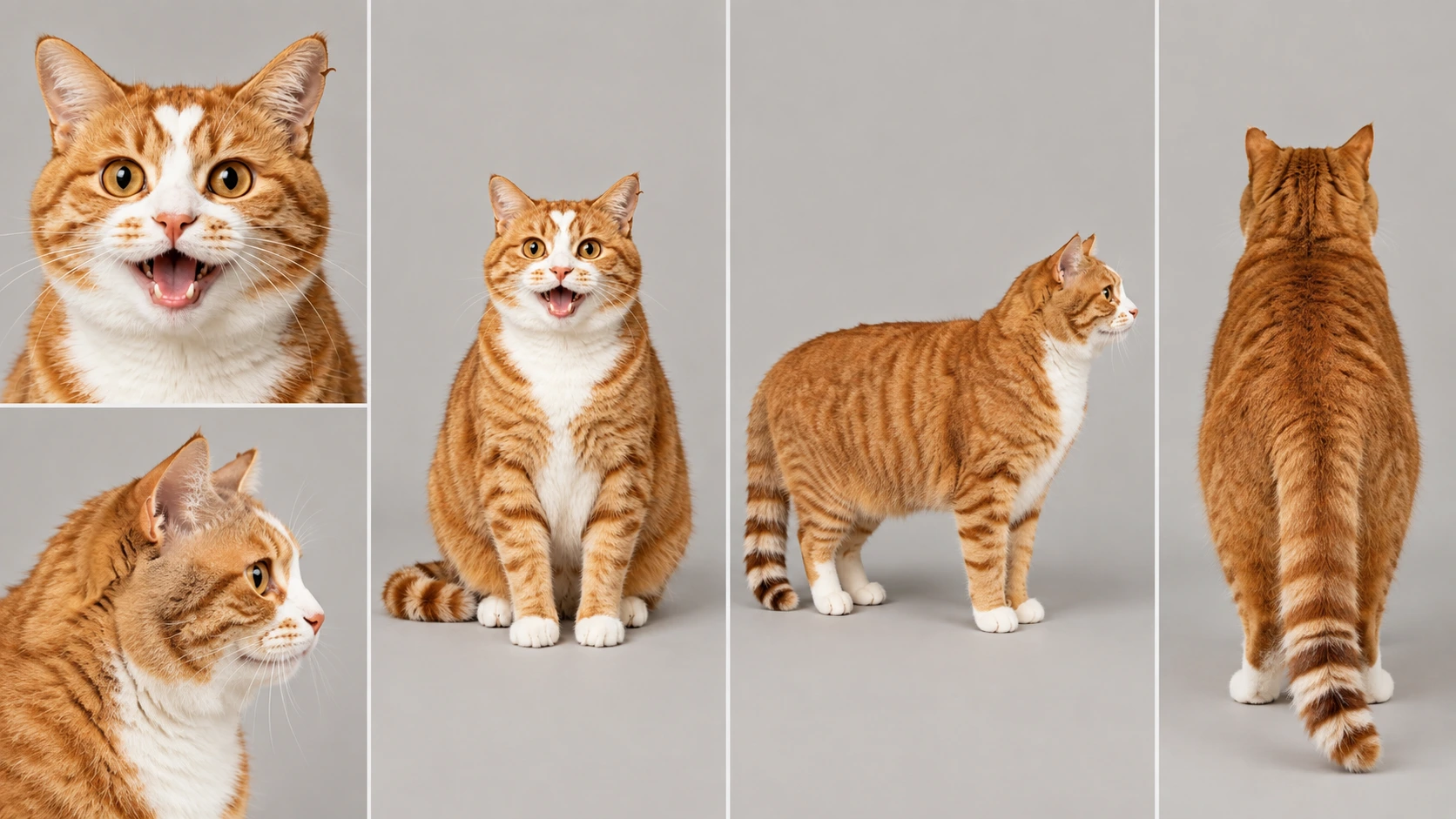
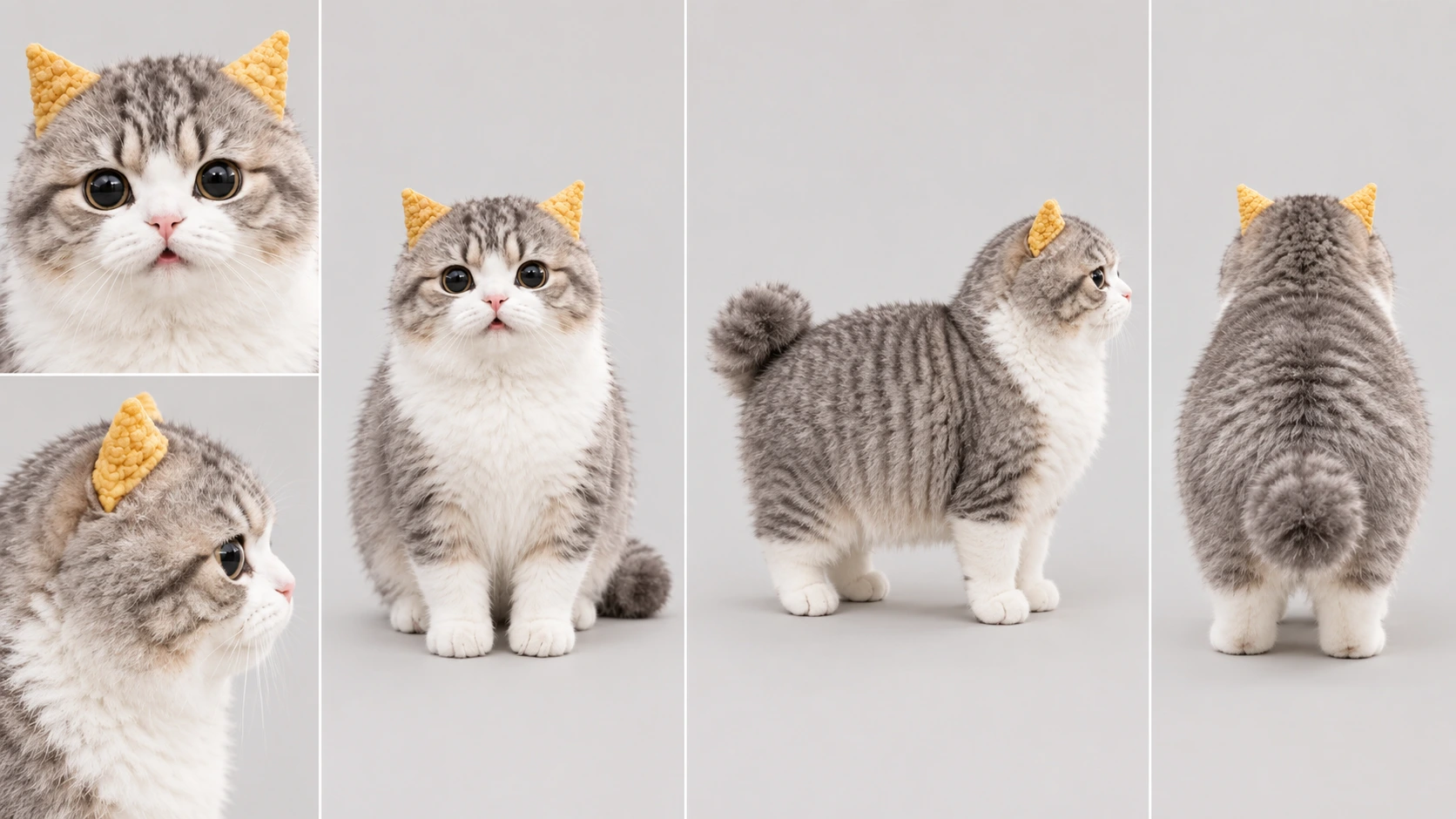
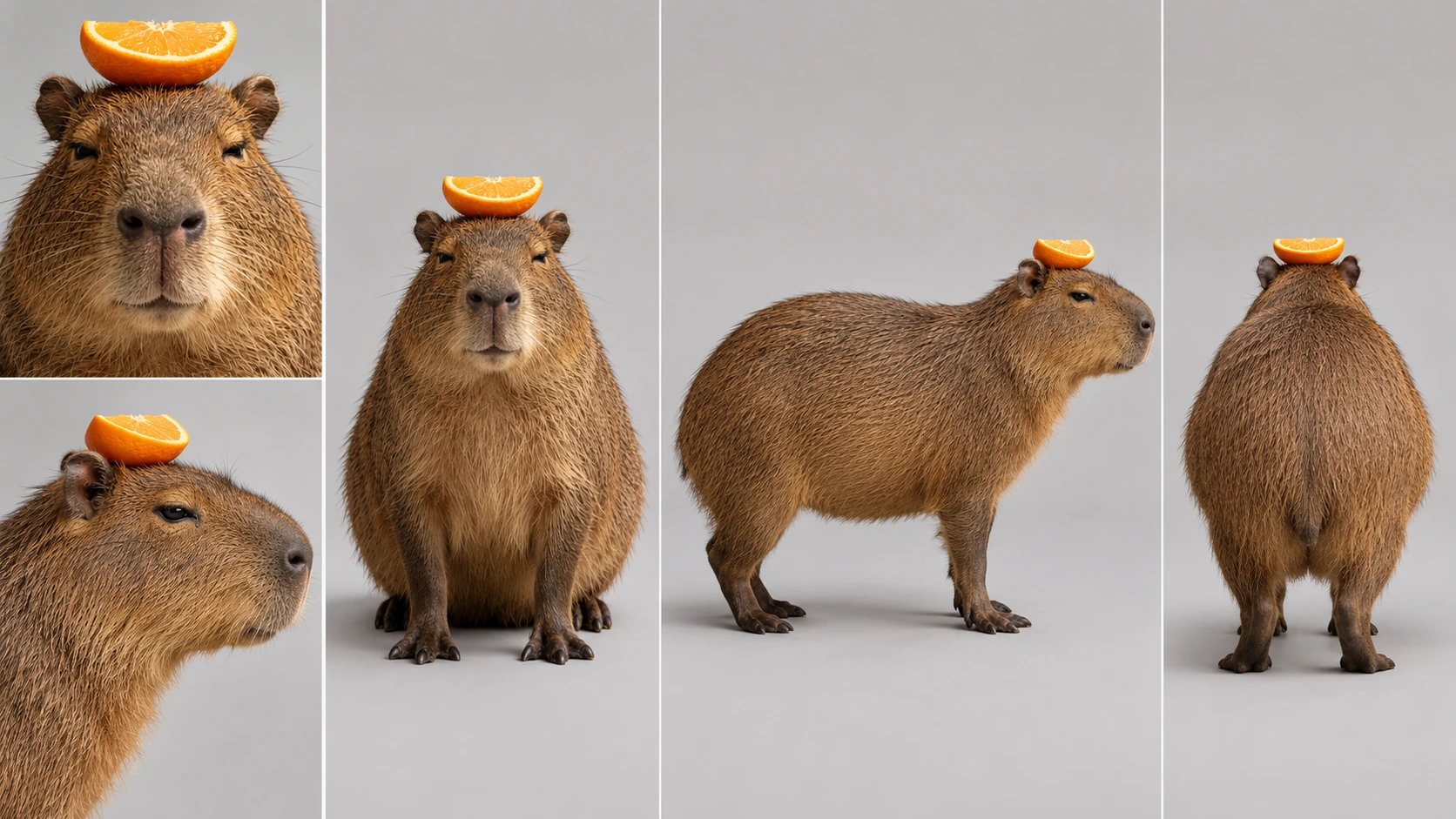
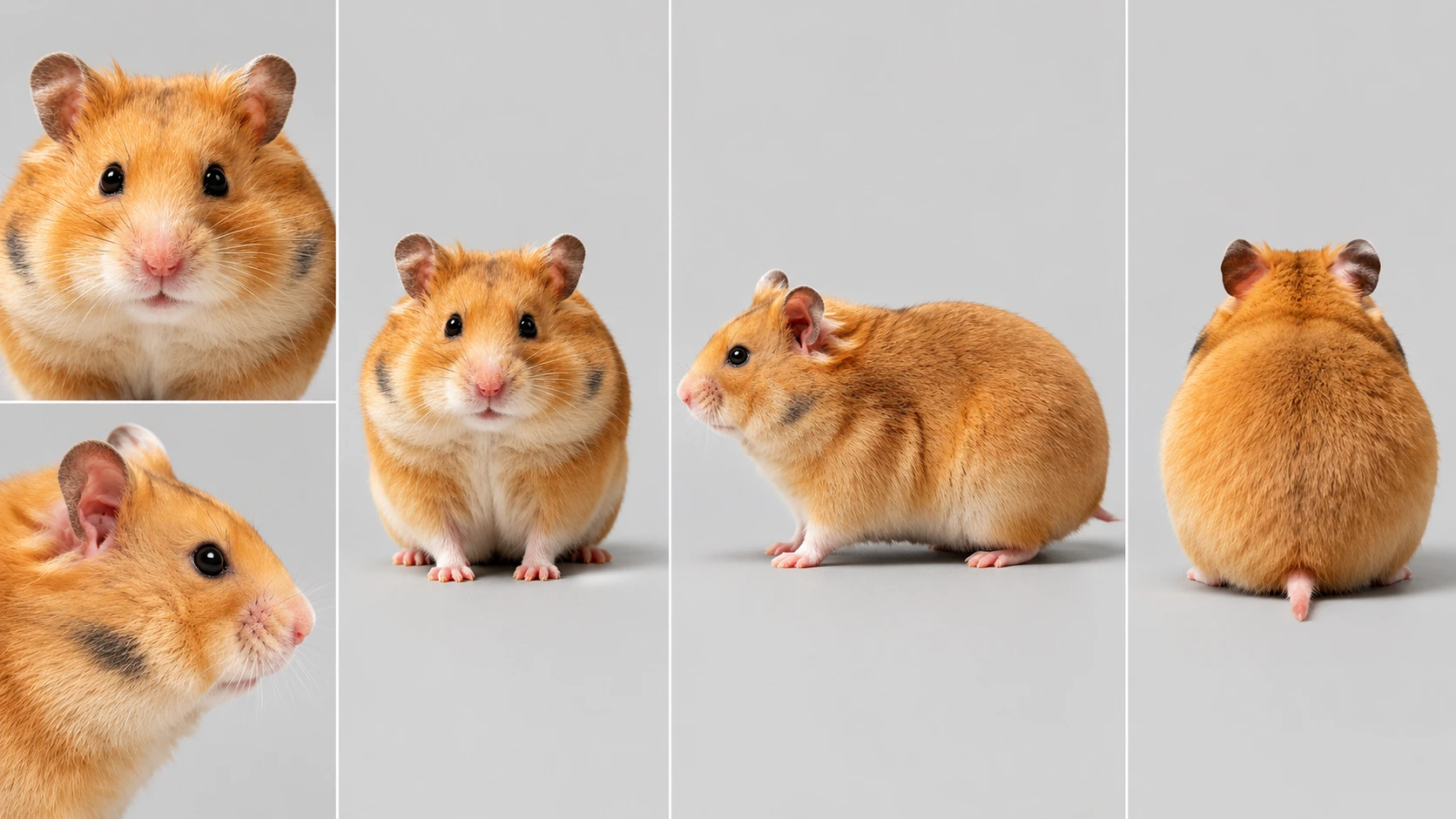
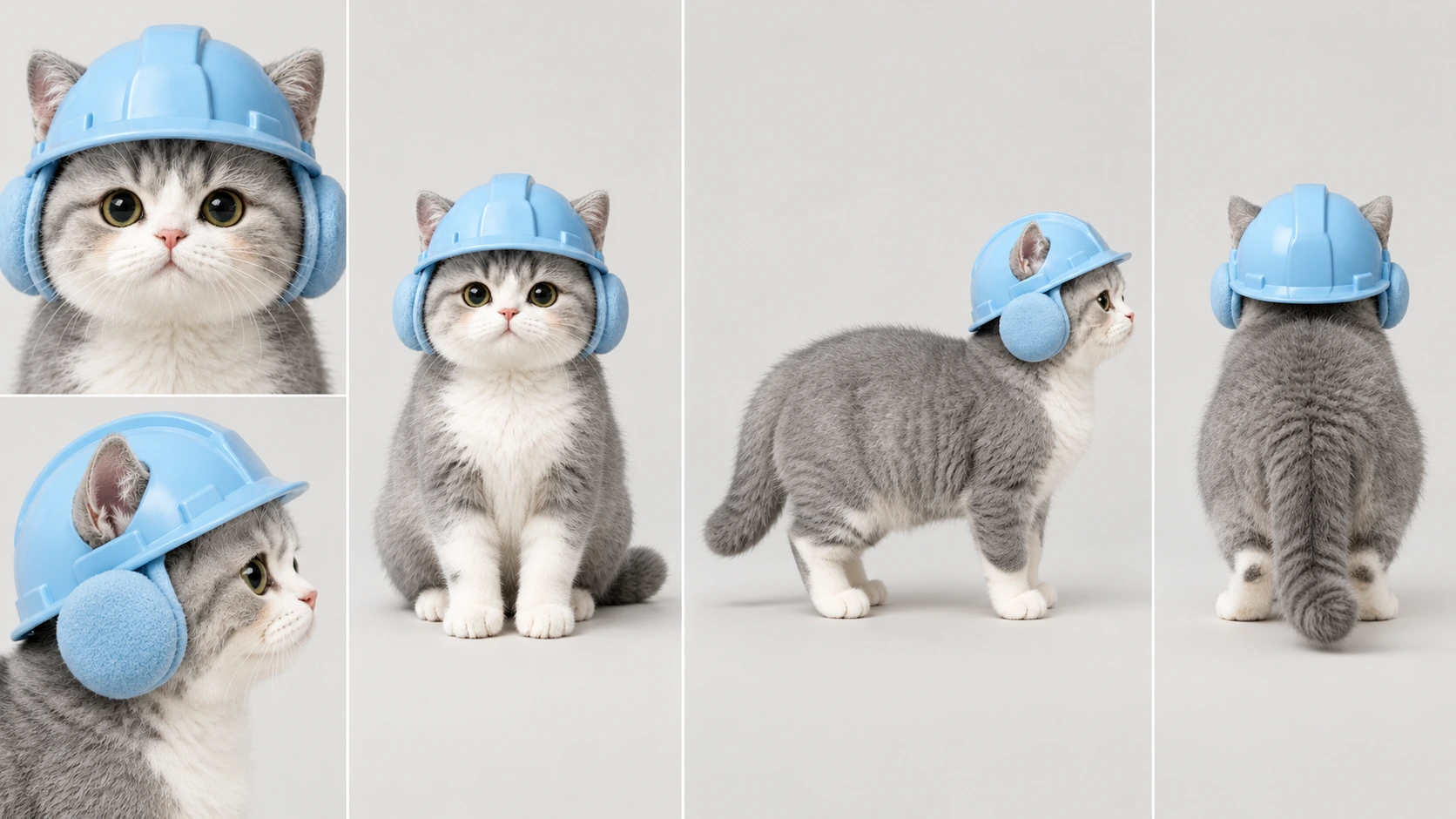
Each has been drawn from five angles already, so picking one costs nothing and waits for nothing. These sheets are also what your own pet’s becomes — this is the thing being built from your photograph, and the reason the animal in episode twenty is the animal in episode one.
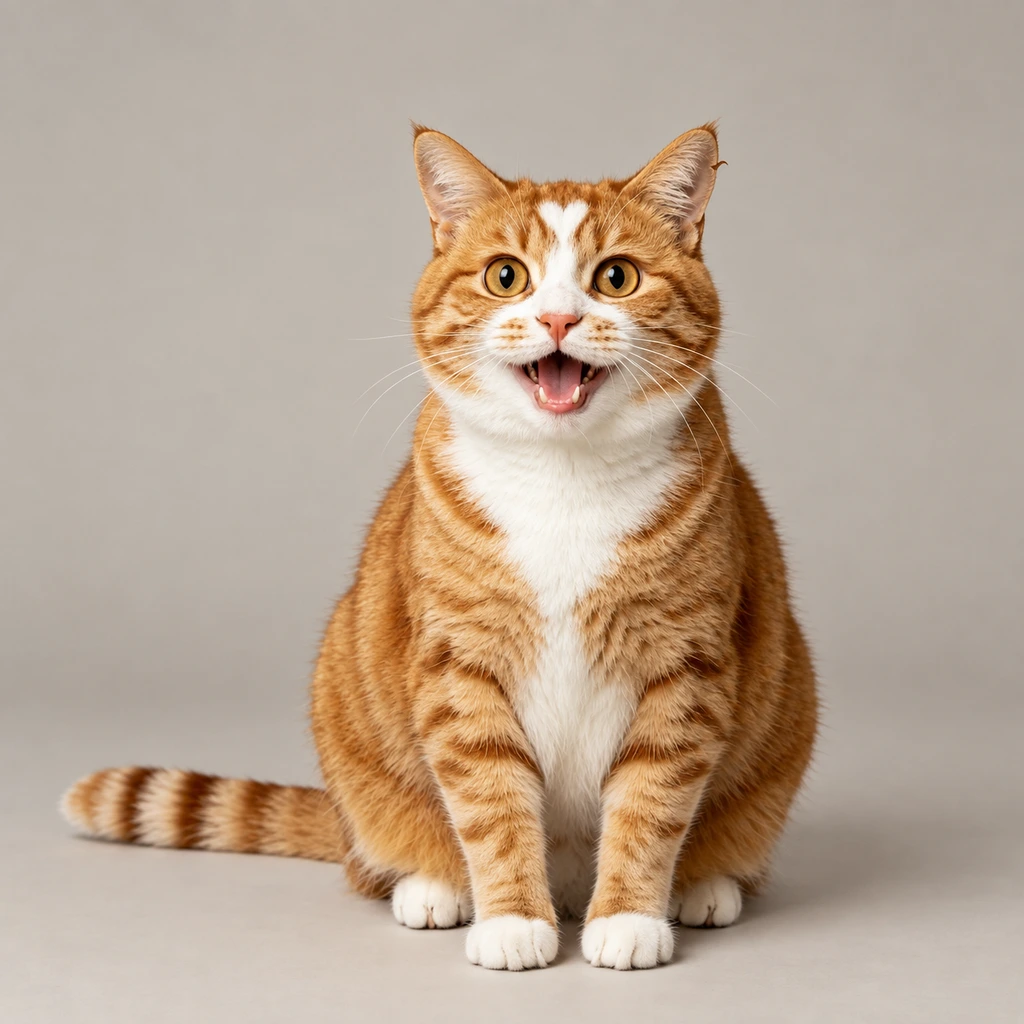
Orange tabby
A round ginger cat with one white stripe down his forehead
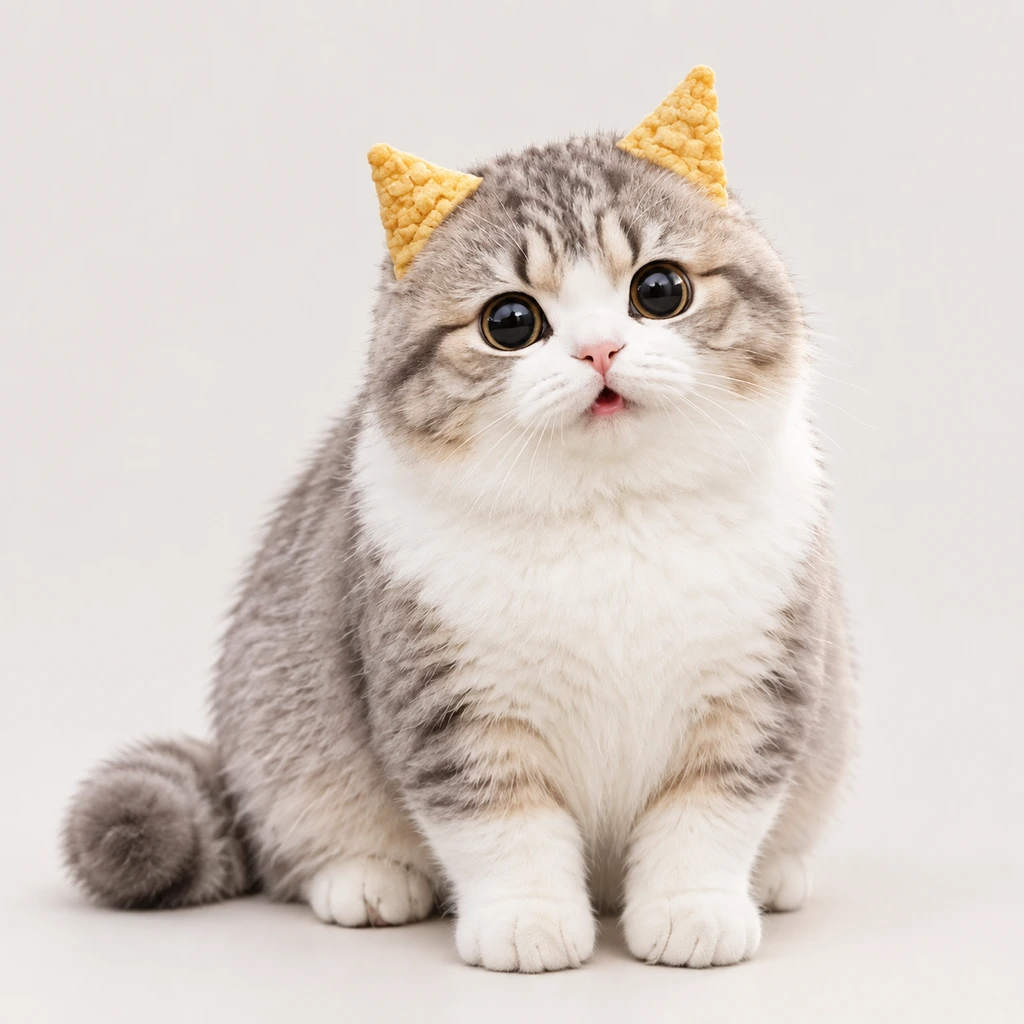
Bugle-ear kitten
A little cat whose ears curl over like pastry
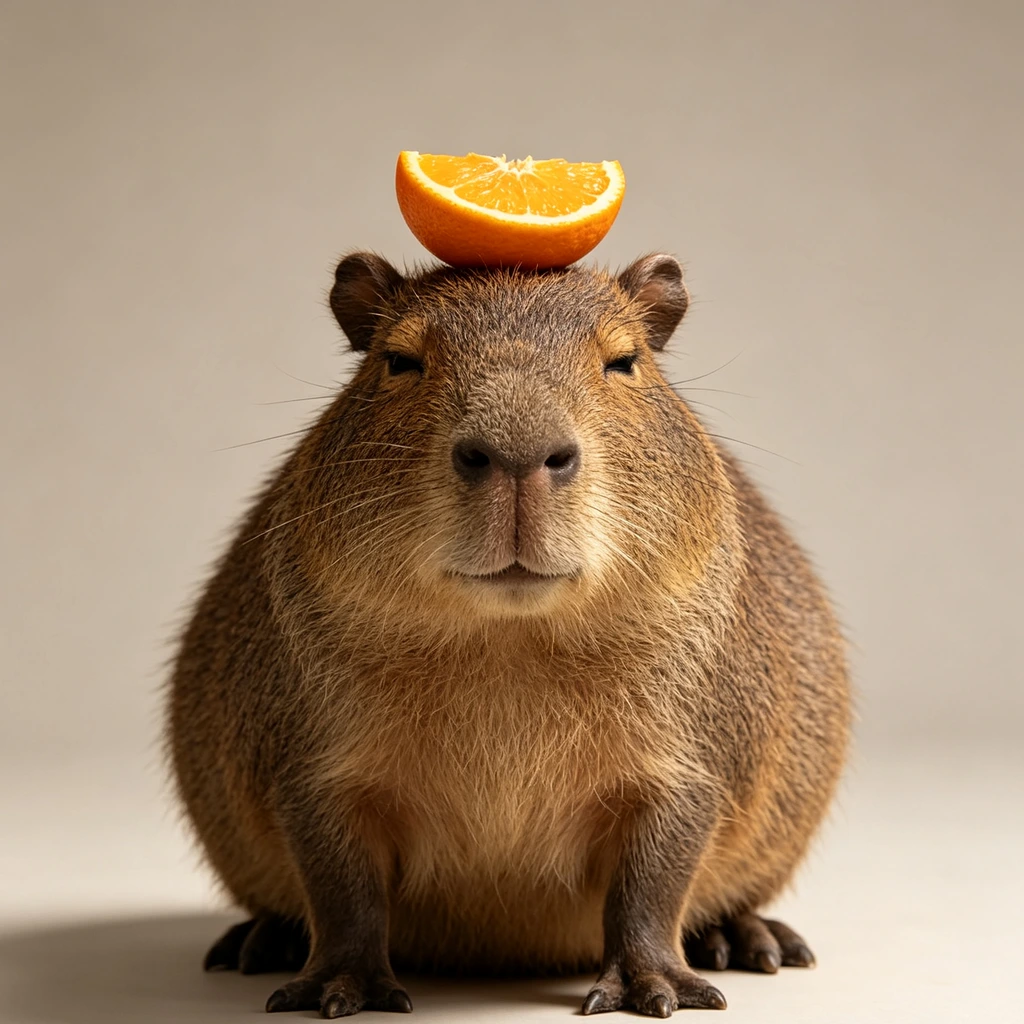
Capybara
A capybara who has never once been in a hurry
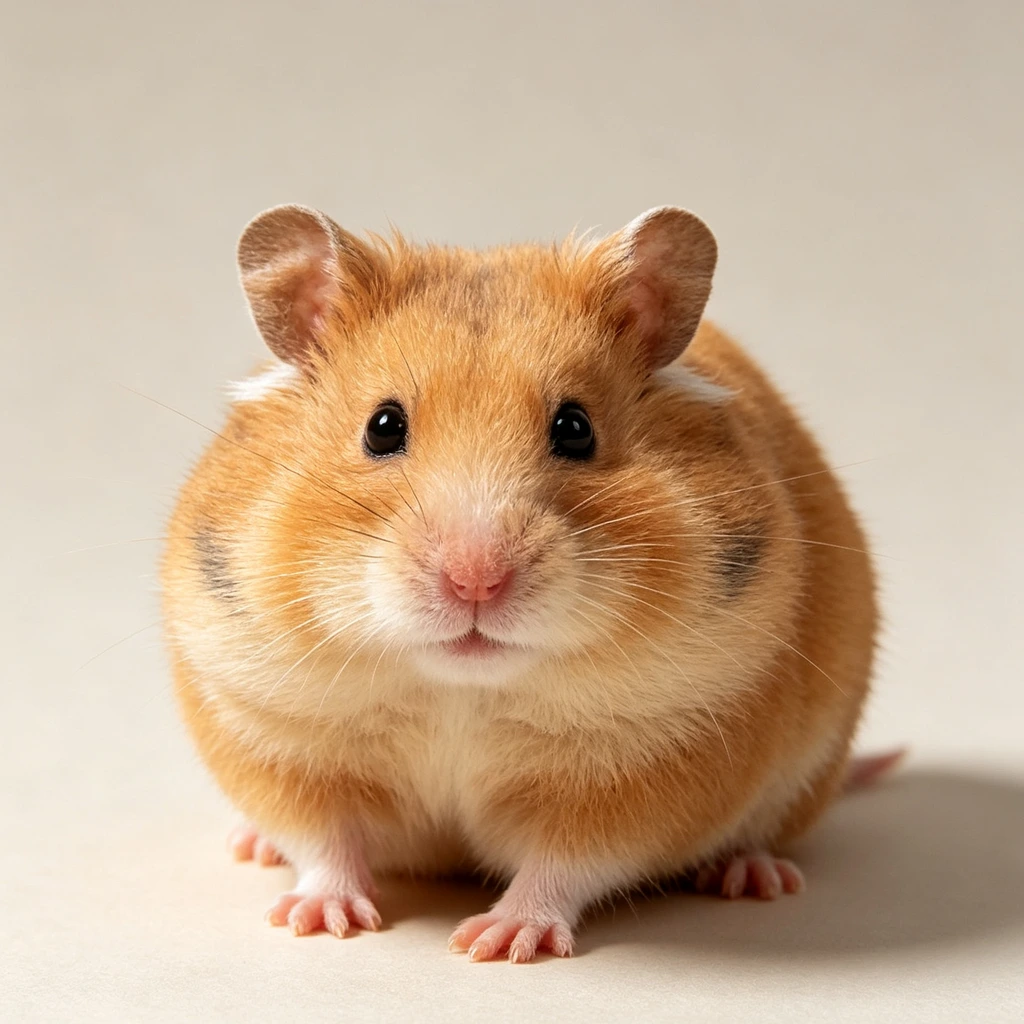
Hamster
A palm-sized golden hamster

Hard-hat kitten
A working cat in a hard hat
Pet vlog questions, answered early
Can I use my own dog or cat?
Yes, and that is the main way in. Upload one clear, bright, front-on photo with the whole face in frame, give them the name you actually call them, and a five-panel reference sheet is drawn from it. Every episode afterwards is rendered against that sheet rather than against the snapshot, which is what keeps your animal looking like your animal in episode twenty.
Can it make my dog's mouth move, like the talking-pet apps?
No, and that is on purpose. Those animate one photograph into one clip, and there is no tomorrow in it. This makes an episode: your animal wants something, tries to get it, and mostly makes a mess on the way — then next week it wants something else, and it is recognisably the same animal.
How good does the photo have to be?
One ordinary phone photo is enough — what matters is that the whole face is in frame, facing you, and lit well enough to see the markings. A dark shot, a back view or a face half behind a cushion gives the sheet less to work from, and the sheet is what every later episode inherits. There is nothing to shoot specially; the good photo you already have will do.
Is this how the monkey vlogs and bigfoot vlogs are made?
The same idea, taken one step further. Those channels found that people will follow a creature the way they follow a person, and most of the tools serving them still make one clip from one prompt — a new animal each time, however good the individual video is. Here the creature is cast once and kept: the reference sheet, the voice and the way it moves carry into every later episode, which is the part that turns a viral clip into a channel somebody subscribes to.
Which animals come ready to use, if I do not have a pet?
a round ginger cat with one white stripe down his forehead; a little cat whose ears curl over like pastry; a capybara who has never once been in a hurry; a palm-sized golden hamster; a working cat in a hard hat. Each ships with its own reference sheet already made and its own voice, so picking one costs nothing and waits for nothing.
How long is an episode, and what does it cost?
Between 30 and 90 seconds, in up to 6 scenes, each one continuous take at the engine's ceiling. There is no picker: an episode is however long today's errand takes, and a short errand is a short episode rather than a padded one. A full-length one is about 91 credits, which is 13 a month on Standard's 1,200 — shorter ones go further, because video is billed by the second.
What makes an episode about something, rather than just cute footage?
Every one starts with the animal deciding it wants a specific thing — food that is out of reach, a warm spot someone else is in, the box that arrived, whatever got taken away. It says so in the first scene and there is a result by the last. Without that it is an animal existing on camera, which is what most AI animal video looks like.
Why does everything look so low down?
The camera lives on the floor at the animal's eye height, because that is where the comedy is. A sofa is a hill and a countertop is a cliff when the lead is eight centimetres tall, and shooting it from a standing human's eye line throws that away.
Can I have more than one animal?
Up to 3, and the first one is the lead. It genuinely changes the writing rather than just adding a body — one animal is a solo performance to camera, two or three is a scene between them. New accounts get 30 credits, which covers the plan, the screenplay and the storyboard before you render anything.
One continuous take a scene, and one price
A scene is one continuous take — the camera does not cut while your animal is failing at something, because the failing is the joke. There is nothing to choose here: the errand decides how many scenes it needs, so a simple one is short rather than stretched, and the only thing that changes week to week is what it wants.
30–90s
up to 6 scenes, one take each
~91
credits an episode
13
episodes a month on Standard
An estimate — the pictures an episode turns out to need move it a little. Everything before the render is free either way, so you read the whole thing first.
Who else could front a channel
Compare all four vlog formats
Real length and real price for each one, side by side in a single table.
AI influencer generator
The same channel shape with a person fronting it instead of an animal.
POV video generator
Nobody on screen at all — the camera is your eyes and your hands do the work.
AI short video generator
Cutting one idea for TikTok, Reels and Shorts at once.