AI Web Series Generator

Plan the Whole Season,
Shoot It Episode by Episode

The outline covers your entire run in one pass. Production happens one episode at a time, with the same cast, wardrobe, locations and voices carried forward — so episode twenty still belongs to the same show as episode one.

Free to plan. You see the whole run written out before a single episode is produced.

Wish Upon a Burning Sea

Fantasy romance · 53 episodes · planned in one pass

Paywall placed at episode 8

  1. 01Overboardreveal
  2. 02The Rules of the Sealreveal
  3. 03First Lucky Breakdanger
  4. 04Three Wishes, One Already Wastedmisunderstanding
  5. 05The Hundred-Meter Lifedanger
  6. 06The Body in the Waterreveal
  7. 07Staying by Choicedanger
  8. 08The Dissolution Scrollpaywalldecision
  9. 09Brothers at the Doorreveal
  10. 10Seventy-Two Hoursdanger
  11. 11Shadows at the Marketdanger
  12. 12What the Fire Costsreveal
  13. 13The Deflected Netmisunderstanding
  14. 14The Landlord's Knockreveal
  15. 15Night Market Warmthmisunderstanding
  16. 16Doran's Second Visitreveal
  17. 17The Friend Who Doubtsmisunderstanding
  18. 18The Almost-Kissmisunderstanding
  19. 19Drawing the Linedanger
  20. 20Night Market Ambushdanger
  21. 21Mara's Convictionmisunderstanding
  22. 22The Clan Medic's Reportreveal
  23. 23The Enforcer Doubles Downdanger
  24. 24What He Cannot Tell Herreveal
  25. 25Public Denouncementmisunderstanding
  26. 26The Morning After the Marketreveal
  27. 27The Scar That Cannot Healdecision
  28. 28The Room She Moves Tomisunderstanding
  29. 29Doran's Private Doubtreveal
  30. 30The Tribunal Petitiondanger
  31. 31Fourteen Daysdecision
  32. 32The Separate Room at Nightmisunderstanding
  33. 33The Fixer Arrivesdanger
  34. 34Kael's Declarationreveal
  35. 35The Badge Recoveredreveal
  36. 36Two Enemies, One Targetdecision
  37. 37The Night Market Plandecision
  38. 38Into the Harborarrival
  39. 39What the Tablet Saysreveal
  40. 40The Tribunal Convenesdanger
  41. 41The Night Before Surrenderdecision
  42. 42Rourke's Last Movedanger
  43. 43Mara's Exposurereveal
  44. 44The Second Wishreveal
  45. 45After the Broadcastdecision
  46. 46Doran's Withdrawaldecision
  47. 47The Bloodline Matchreveal
  48. 48What the Elder Knowsreveal
  49. 49Doran Tells Kaeldecision
  50. 50The Testimonydecision
  51. 51The Rite Beginsreveal
  52. 52Gold Into Lightarrival
  53. 53The Unspoken Wisharrival

A real 53-episode outline from the example series, exactly as one pass produced it — every episode with its own hook, and the paywall placed for you. Episodes are then produced one at a time.

Pick a season length before you start

Season length changes the outline, not just the episode count — where the stakes escalate, where the paywall sits, how far a thread can run before it has to pay off. It also decides what the run will cost, which is worth knowing on day one.

12episodes

A complete short arc

Testing whether an audience bites before committing a season to it.

One outline pass covers all 12, each episode with its own hook and cliffhanger.

~6,000 credits

of video, spread over as many sessions as you like

Most common

24episodes

The vertical drama app shape

A free opening run, then a paywall — the standard commercial format.

The outline places the paywall episode and builds the escalation around it.

~12,000 credits

of video across the run

60episodes

A full commercial season

Distribution-length work, where a thread can run for twenty episodes.

Planned in batches, with threads and callbacks tracked across the whole run.

~30,000 credits

of video across the run

Based on ~500 credits for a ~130-second episode. Writing and planning cost a small fraction of that — you see the season and the cast before paying for footage.

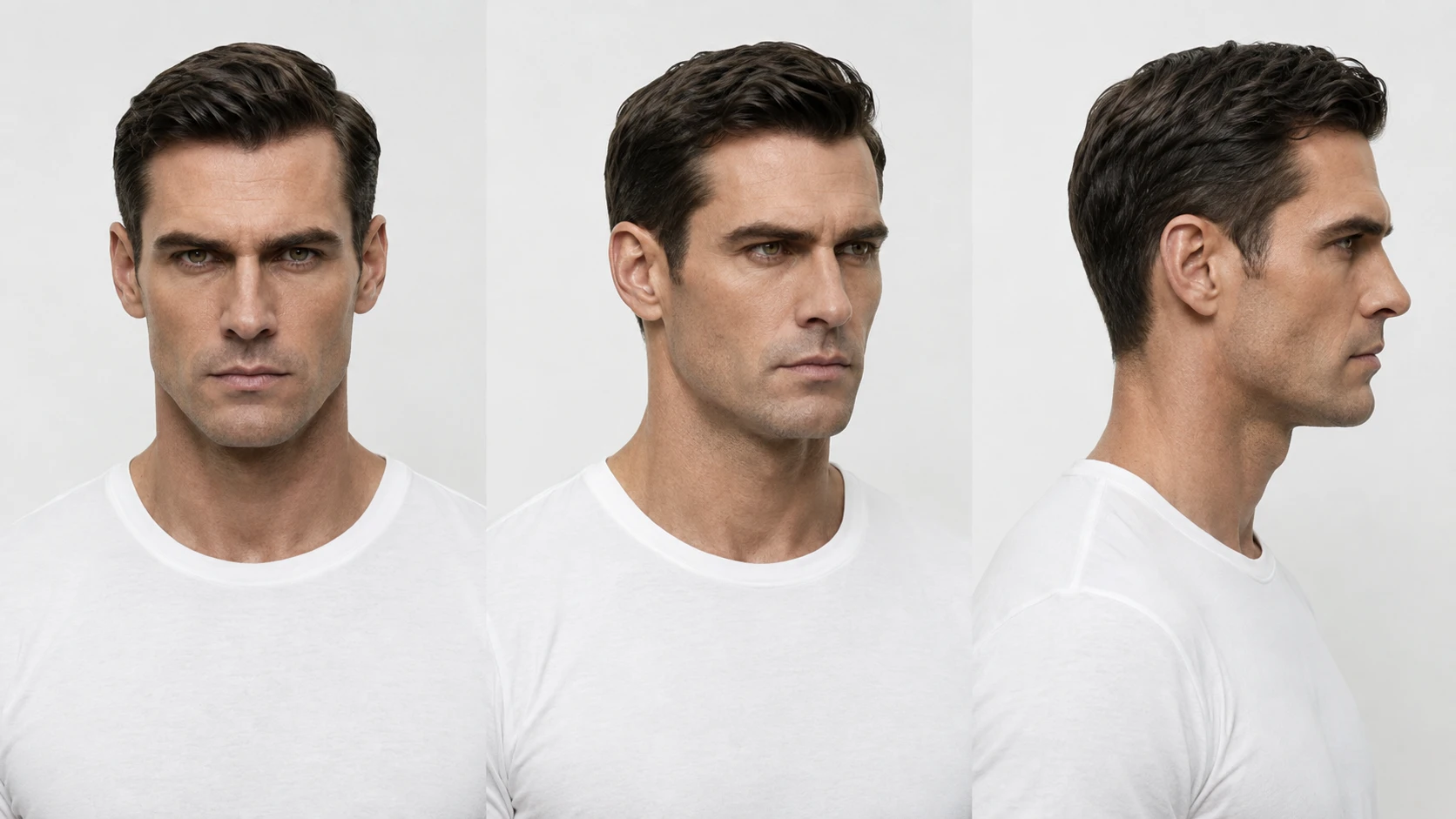
The same face in episode one and episode 53

Before any episode is written, each lead is designed once from three angles and locked. Every shot they appear in for the rest of the season is generated against that sheet instead of a fresh description — which is the difference between a series and a set of clips where the lead quietly becomes someone else around episode four.


Identity sheet for the series lead Lena Cai — the same face from the front, three-quarter and profile
Lena CaiLead · identity sheet
Identity sheet for the male lead Kael — the same face from the front, three-quarter and profile
KaelLead · identity sheet
Identity sheet for the antagonist Doran — the same face from the front, three-quarter and profile
DoranAntagonist · identity sheet

Identity sheets from “Wish Upon a Burning Sea”, the 53-episode example series — the reference every episode of that season is produced against.

What carries from episode to episode

A series is not a folder of clips that share a title. Six things have to survive the run, and each of them is tracked as state rather than re-generated per shot.

The cast

Every recurring character is registered once with a locked appearance and reused from then on, instead of being re-described in each prompt and hoping the result agrees with last week.

The wardrobe

Outfits are tracked per scene as state. A change of clothes in episode four is still in effect in episode five, and a costume from another era or another culture cannot wander into your show.

The locations

A location is designed once and then re-lit for day, dusk or night, so the same apartment at midnight is still recognisably the same apartment.

The voices

Each character gets a distinct voice, deduplicated across the cast and bound to them for the run of the series.

The props

Objects are registered as the script introduces them, with their shape, size, colour and material pinned down — which is what stops one letter becoming three different letters.

The plot threads

Threads opened in the outline are tracked as state across episodes, so a secret planted in episode two is still live when it pays off.

How a season gets made

  1. 1

    Premise

    One sentence, plus a few questions about who wants what and what it costs them.

  2. 2

    Season outline

    The whole run is planned in one pass — hooks, cliffhangers, escalation and where the paywall sits.

  3. 3

    Casting & sets

    Leads, recurring characters and locations are designed once and become the series' assets.

  4. 4

    Episode by episode

    Script, storyboard and production run per episode, each one reading the season's state.

  5. 5

    Publish

    Episodes come out subtitled and without a watermark, ready to submit anywhere you distribute.

Want the script layer on its own? See the AI drama script generator.

Questions about planning a season

Length, budget, and what happens when you change your mind halfway through the run.

How many episodes can an AI web series generator actually plan?

The outline is written for the whole run you ask for, in batches for longer seasons, with each episode getting its own hook and cliffhanger. Production then happens episode by episode — the outline arrives in one pass, the video does not, because each episode is generated when you decide to make it.

Do the characters stay the same across 24 or 60 episodes?

That is what the whole system is built around. Characters are assets rather than prompts: registered once, with an identity sheet and wardrobe sheets, and reused for the run of the series. Locations, props and voices are tracked the same way. If a single shot still misses, you rewrite that shot rather than re-rolling the episode.

What does a web series cost to produce?

Roughly 500 credits per ~130-second episode, almost all of it the video itself. Everything before video — outline, cast, scripts, storyboards — costs a small fraction of that, so you can read the whole season and see your cast before paying for footage. Subscriptions and credit packs are on the pricing page.

Can I change the story after the outline is generated?

Yes. You can rewrite any episode's storyline, hook or cliffhanger, and regenerate a range of episodes when a change affects what comes after. Scripts and storyboards are edited the same way, down to a single shot's camera move or line.

Can I run the same season in more than one market?

A series is produced in one language — Chinese, English, Japanese or Korean — and each of those has its own subtitle timing, line-breaking and pacing rules rather than one rule set translated four ways. If you are targeting several markets, plan them as separate runs of the same premise; the season structure that worked in one is the part worth reusing.

How is this different from a general AI video generator?

A general video tool works in clips: you describe a shot and get a shot. A web series generator has to hold a season in its head — the cast, the wardrobe, the sets, the voices and the threads — and produce episodes that belong to the same show. That state is the product.

Do I need editing skills to finish an episode?

No. There is no timeline to cut on and no clips to drag. Shots are composed into a subtitled episode automatically, and recomposing is free if you want to recut — the timeline view is for previewing and reordering, not frame editing.

Next steps for a season

Plan your season today

Describe the show in one sentence and read the whole season back before you spend anything on video.

Plan My Season — Free